
What Is Chemotherapy Induced Peripheral Neuropathy?
Peripheral neuropathy is damage to the nerves outside the brain and spinal cord, and it is one of the most common long term side effects of chemotherapy. It typically affects the hands and feet, causing numbness, tingling, burning sensations, and shooting pains. For some patients, it begins during treatment and improves afterwards; for others, it persists for months or years and significantly affects quality of life.
Which Chemotherapy Drugs Cause Neuropathy?
Several classes of chemotherapy are known to cause peripheral neuropathy, including platinum based agents (cisplatin, oxaliplatin, carboplatin), taxanes (paclitaxel, docetaxel), vinca alkaloids (vincristine), and bortezomib. The risk increases with cumulative dose, meaning the more cycles of chemotherapy you receive, the greater the likelihood and severity of nerve damage.
Patients who have received treatment for testicular cancer, colorectal cancer, breast cancer, and lymphoma are particularly commonly affected.
Recognising the Symptoms
The symptoms of peripheral neuropathy can range from mild to severely disabling. Common presentations include numbness or reduced sensation in the feet, progressing upwards towards the knees; constant or intermittent shooting pains, particularly on walking or standing; a feeling of walking on pebbles or cotton wool; difficulty with fine motor tasks such as buttoning a shirt; and increased sensitivity to cold temperatures.
In severe cases, patients may have complete loss of sensation from the knee down while retaining normal motor function, meaning they can move their legs normally but cannot feel them. This pattern is characteristic of a sensory predominant neuropathy, which is typical of chemotherapy damage.
How Is It Diagnosed?
Diagnosis is based on a thorough clinical history, neurological examination, and supporting investigations. At Clinique Alpa, we perform a detailed assessment of sensation in both legs (comparing affected and unaffected sides), motor examination including power, tone, and reflexes, review of previous investigations such as MRI scans and nerve conduction studies, and blood tests including vitamin B12, folate, and glucose to exclude other causes.
A nerve conduction study, if not already performed, can confirm the diagnosis and quantify the degree of nerve damage.
Treatment Options
There is no cure for chemotherapy induced neuropathy, but several treatments can reduce pain and improve function:
Duloxetine: This is the best evidenced medication for chemotherapy induced neuropathic pain. It works on both serotonin and noradrenaline pathways and is typically started at a low dose with gradual increases. It is the recommended first line treatment in current guidelines.
Gabapentin and pregabalin: These medications are widely used for neuropathic pain and can be effective, though the evidence is stronger for duloxetine in this specific context. Weight gain is a recognised side effect of gabapentin, which is worth discussing.
Vitamin B12 supplementation: Low or low normal vitamin B12 levels can worsen neuropathy symptoms. If blood tests show a level below 300, regular B12 injections may help, particularly in patients who have had gastrointestinal surgery or prolonged illness. This should be discussed with your oncologist.
Physiotherapy and occupational therapy: For patients with balance problems or difficulty with daily tasks, structured rehabilitation can improve function and confidence.
The Importance of a Second Opinion
Many patients with persistent neuropathy after cancer treatment feel that their symptoms are not taken seriously or that they have fallen through the gaps between oncology and primary care. A private GP consultation can provide a thorough reassessment, a fresh pair of eyes on your existing investigations, and a clear management plan that coordinates with your oncology team.
Frequently Asked Questions
Will the neuropathy get better?
Nerve regeneration does occur, but it is slow. Some patients notice gradual improvement over months to years after completing chemotherapy. Others have permanent changes. Early and effective pain management is important regardless of prognosis.
Can I take Mounjaro for weight gain from gabapentin?
Tirzepatide (Mounjaro) is effective for weight management and can be prescribed privately. It is not typically available on the NHS for weight gain secondary to medication, but it is an option worth discussing at a private consultation.
Should I change my GP?
If you feel your current GP practice is not managing your care adequately, you have every right to register with a different practice. We can also provide ongoing private GP support to complement your NHS care.
Book a Neuropathy Assessment
If you are living with numbness, pain, or tingling after chemotherapy, book an appointment at Clinique Alpa. We provide thorough assessments and coordinate care with your oncology team.
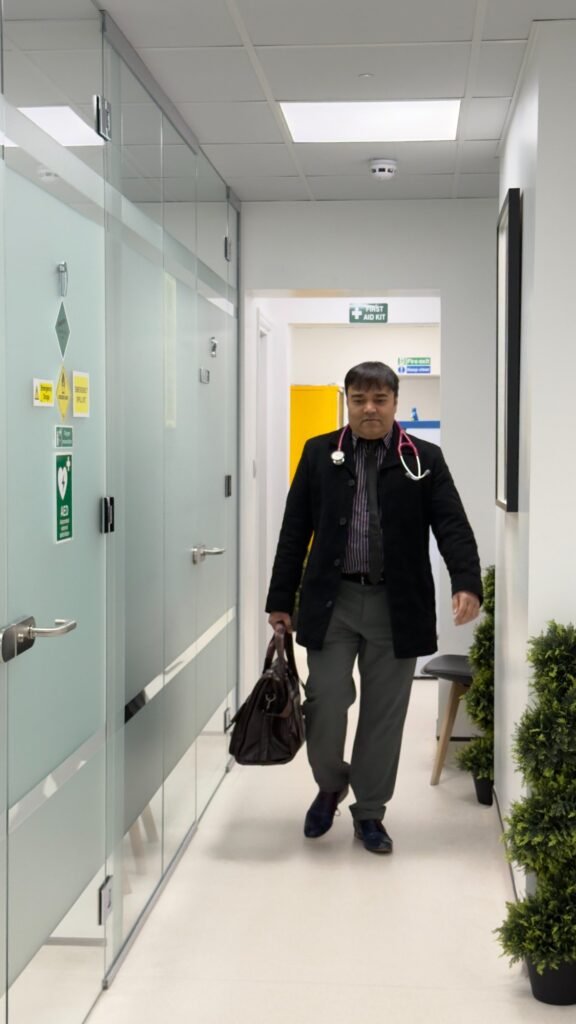
Written by Dr Mitesh Parmar, MBBS MRCGP, Principal GP at Clinique Alpa.