
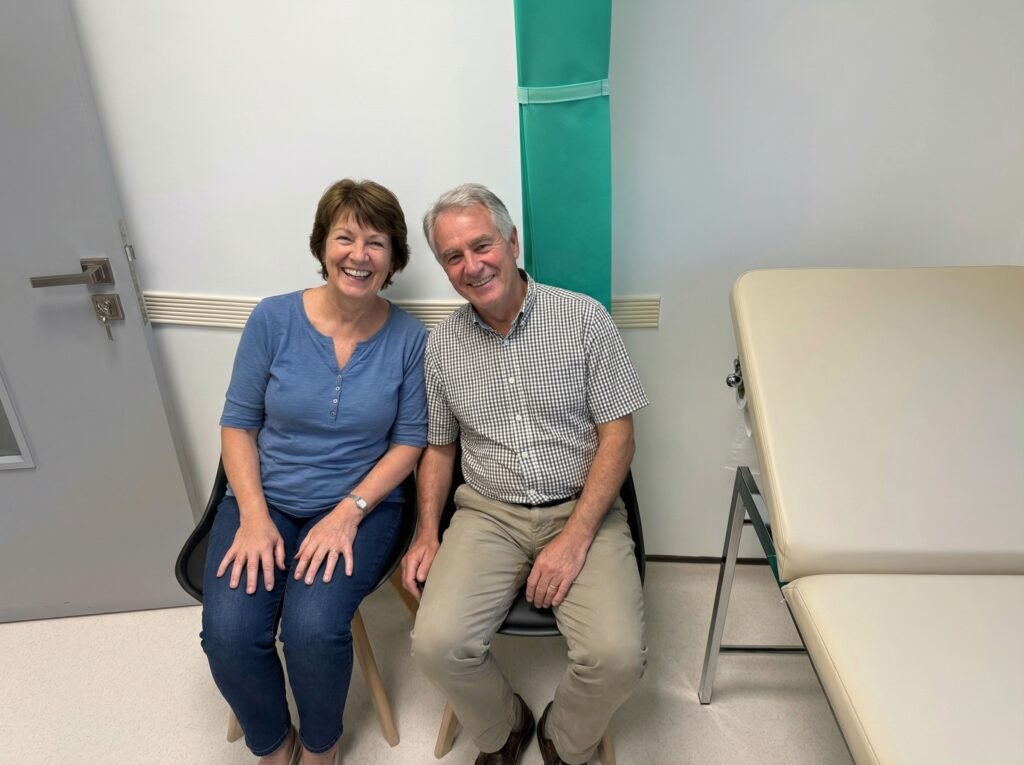
If you are searching for a private GP London weight management consultation, you are likely tired of short NHS appointments that barely scratch the surface of what is really going on. Weight management is rarely about willpower alone. It involves hormones, metabolism, medication interactions, sleep patterns, and mental health. As a private GP in London with over 21 years of clinical experience, I take the time to understand every factor before recommending a treatment plan. At my clinic in Palmers Green, I see patients from across North London and beyond who want a medical, evidence based approach to losing weight safely.
Why a Private GP Weight Management Consultation Matters
Unwell now? See a private GP online from £65 today.
Unhurried video or telephone appointment with a GMC registered doctor, often the same day.
Book Nowor message us on WhatsAppWeight management is one of the most common reasons patients attend my clinic at Clinique Alpa. Many have already tried commercial diet programmes, calorie counting apps, or gym memberships. Some have lost weight and regained it. Others feel stuck and frustrated, unsure why their efforts are not producing results.
The reason is often medical. Conditions such as underactive thyroid, polycystic ovary syndrome, insulin resistance, and even certain medications can make it significantly harder to lose weight. Without identifying and addressing these underlying factors, any weight loss plan is likely to stall or fail entirely.
A private GP consultation allows me to spend 30 to 45 minutes with each patient. I review their full medical history, current medications, lifestyle, sleep patterns, and mental health. I can order blood tests on the same day and discuss results within days rather than weeks. This is the kind of thorough, personalised approach that makes a real difference.
From Our Practice: When Weight Management Meets Other Medical Needs
I recently saw a patient who attended my clinic for an ADHD medication review. During our conversation, the topic of weight management came up naturally. He weighed 109 kg at 172 cm tall, giving him a BMI well into the obese category. He worked in finance with early morning starts around 4:40 am, which meant he rarely ate breakfast and his appetite was suppressed for much of the morning.
He had previously tried a GLP 1 receptor agonist for weight loss but discontinued it due to significant nausea. He had subsequently tried a different GLP 1 medication and tolerated it well, which was encouraging. His blood pressure was 130/80, his heart rate was 90 bpm, and his oxygen saturations were 99%.
I discussed the options available to him, including injectable weight loss medications that he could continue under medical supervision. I also arranged an ECG and blood tests including cholesterol and full blood count for his next review. This case illustrates something I see regularly: weight management often intersects with other medical conditions, and a GP led approach ensures all factors are considered together rather than in isolation.
This is precisely why I advocate for weight loss services being delivered under proper medical oversight. A standalone weight loss clinic might have prescribed the same medication, but without reviewing his ADHD treatment, his cardiovascular risk factors, or his shift pattern, they would have been working with an incomplete picture.
What Happens During a Private GP Weight Management Consultation
When you attend my clinic for a weight management consultation, I follow a structured process designed to identify both the causes and the most effective treatment options.
Initial Assessment
I begin with a thorough clinical history. This includes your current weight, height, and BMI calculation, but it goes far beyond those numbers. I ask about your eating patterns, physical activity levels, sleep quality, stress levels, and mental health. I review any medications you are taking, as some commonly prescribed drugs can contribute to weight gain.
I also perform a physical examination where appropriate, checking blood pressure, heart rate, and looking for clinical signs of conditions such as thyroid dysfunction or Cushing’s syndrome.
Diagnostic Testing
In most cases, I recommend blood tests to rule out or identify underlying medical causes of weight gain. These typically include thyroid function, fasting glucose, HbA1c (a marker of longer term blood sugar control), liver function, kidney function, cholesterol, and a full blood count. I can arrange these tests quickly through our test services, with results usually available within a few days.
For patients with additional cardiovascular risk factors, I may also arrange an ECG or refer for further cardiac assessment through our health screening programme.
Treatment Planning
Once I have a complete picture, I develop a treatment plan that addresses the specific factors contributing to your weight. This might include dietary guidance, exercise recommendations, behavioural strategies, and where clinically appropriate, prescription medication.
Medical Weight Loss Medications: What You Need to Know
There has been enormous interest in injectable weight loss medications over the past few years, particularly GLP 1 receptor agonists. These medications work by mimicking a hormone called glucagon like peptide 1, which helps regulate appetite and blood sugar levels. Clinical trials have demonstrated significant weight loss in patients using these medications alongside lifestyle changes.
However, these are prescription only medications that require proper medical assessment before they can be prescribed. As a private GP, I can prescribe these medications where clinically appropriate, but only after a thorough evaluation. Not every patient is suitable, and the decision to prescribe must take into account the patient’s full medical history, other medications, and individual risk factors.
NICE guidelines recommend that pharmacological treatment for obesity should be considered alongside dietary and lifestyle interventions, not as a replacement for them. I follow these guidelines closely, ensuring that any medication I prescribe is part of a broader treatment plan.
Common Side Effects and Monitoring
The most common side effects of GLP 1 receptor agonists include nausea, vomiting, diarrhoea, and constipation. As I saw with my patient described above, nausea can be significant enough to cause some patients to discontinue treatment. However, switching to a different medication within the same class can sometimes resolve this, as different formulations may be better tolerated.
Regular monitoring is essential. I schedule follow up appointments to check weight progress, review side effects, and repeat blood tests as needed. This ongoing medical oversight is one of the key advantages of receiving weight loss medication through a private GP rather than through an online prescribing service.
The Role of Lifestyle in Medical Weight Management
Medication alone is rarely the complete answer. Sustainable weight management requires changes to diet, physical activity, and sometimes behavioural patterns. During my consultations, I discuss practical, achievable strategies rather than unrealistic targets.
Nutrition
I do not prescribe rigid meal plans. Instead, I focus on helping patients understand the principles of balanced nutrition and how to apply them to their own lives. For patients with insulin resistance or type 2 diabetes, I may recommend a lower carbohydrate approach. For others, the focus might be on portion control, meal timing, or increasing protein intake to support satiety.
I also consider practical factors. The patient I mentioned earlier, for example, rarely ate breakfast due to his 4:40 am starts. Rather than insisting he eat a meal he did not want, I discussed strategies that worked with his schedule, such as a protein rich mid morning snack and a balanced lunch.
Physical Activity
The NHS recommends at least 150 minutes of moderate intensity physical activity per week. For weight management, additional activity may be beneficial. However, I always tailor my recommendations to the individual. Someone with joint problems, for instance, might benefit more from swimming or cycling than from running.
Sleep and Stress
There is strong evidence linking poor sleep and chronic stress to weight gain. Sleep deprivation affects hormones that regulate appetite, increasing levels of ghrelin (which stimulates hunger) and decreasing levels of leptin (which signals fullness). Cortisol, the stress hormone, can also promote fat storage, particularly around the abdomen.
I routinely ask about sleep quality and stress levels during weight management consultations, as addressing these factors can have a meaningful impact on outcomes.
When to See a GP About Your Weight: A Traffic Light Guide
Not everyone needs a medical consultation for weight management, but certain situations warrant professional input.
GREEN: Self Care
Your BMI is between 25 and 29.9 (overweight category), you have no other medical conditions, and you feel confident making dietary and exercise changes on your own. Reliable resources include the NHS Better Health programme and the British Dietetic Association website.
AMBER: See Your GP
Your BMI is 30 or above. You have been unable to lose weight despite sustained effort. You are taking medications that may be contributing to weight gain. You have symptoms such as fatigue, irregular periods, or excessive thirst that might indicate an underlying condition. You are interested in prescription weight loss medication.
RED: Seek Urgent Care
You are experiencing chest pain, severe breathlessness on minimal exertion, or sudden unexplained weight loss (which can indicate serious underlying disease). These symptoms require urgent medical assessment, not a weight management consultation.
Why Choose a Private GP for Weight Management in London
The NHS provides excellent care, but GP appointments are typically limited to 10 minutes. For something as complex as weight management, this is rarely sufficient to explore the full picture. A private GP consultation gives me the time to conduct a thorough assessment, explain my findings clearly, and develop a treatment plan that you actually understand and feel confident following.
At Clinique Alpa, I also have the advantage of being able to arrange investigations quickly. Blood test results are typically available within 2 to 3 days, and follow up appointments can be scheduled within a week rather than waiting several weeks. For patients who are prescribed medication, this means faster dose adjustments and better monitoring.
My clinic is conveniently located in Palmers Green, easily accessible from Enfield, Southgate, Winchmore Hill, and surrounding areas. You can book a weight management consultation online or call us on 020 8882 8088.
What to Expect After Your First Appointment
After your initial consultation, I will provide you with a clear summary of my findings and recommendations. If blood tests have been arranged, I will contact you with results and discuss any adjustments to your plan. Follow up appointments are usually scheduled at 4 to 6 week intervals initially, then less frequently as you progress.
I keep detailed records of your weight, BMI, blood results, and medication history so that we can track your progress objectively over time. Many of my patients find this structured approach reassuring, as it provides evidence that their efforts are producing measurable results.
Frequently Asked Questions
How Much Does a Private Weight Management Consultation Cost?
Consultation fees vary depending on the length and complexity of the appointment. I recommend calling us on 020 8882 8088 or visiting our website for current pricing. Blood tests and other investigations are charged separately and I will always discuss costs with you before arranging anything.
Can You Prescribe Weight Loss Injections?
Yes, I can prescribe injectable weight loss medications where clinically appropriate. These are GLP 1 receptor agonists that require a full medical assessment before prescribing. Not every patient is suitable, and I will only prescribe them as part of a broader weight management plan that includes dietary and lifestyle modifications.
Do I Need a Referral to See You?
No referral is needed. You can book directly with me as a private patient. Simply book a weight management consultation through our website or call 020 8882 8088.
How Quickly Can I Get an Appointment?
I typically offer appointments within a few days. For urgent concerns, same day or next day appointments may be available. Contact the clinic directly for the most up to date availability.
Will You Work Alongside My NHS GP?
Absolutely. With your consent, I am happy to write to your NHS GP to keep them informed of your treatment plan. This is particularly important if you are taking other medications or have ongoing medical conditions being managed through the NHS.
Unwell now? See a private GP online from £65 today.
Unhurried video or telephone appointment with a GMC registered doctor, often the same day.
Book Nowor message us on WhatsApp