
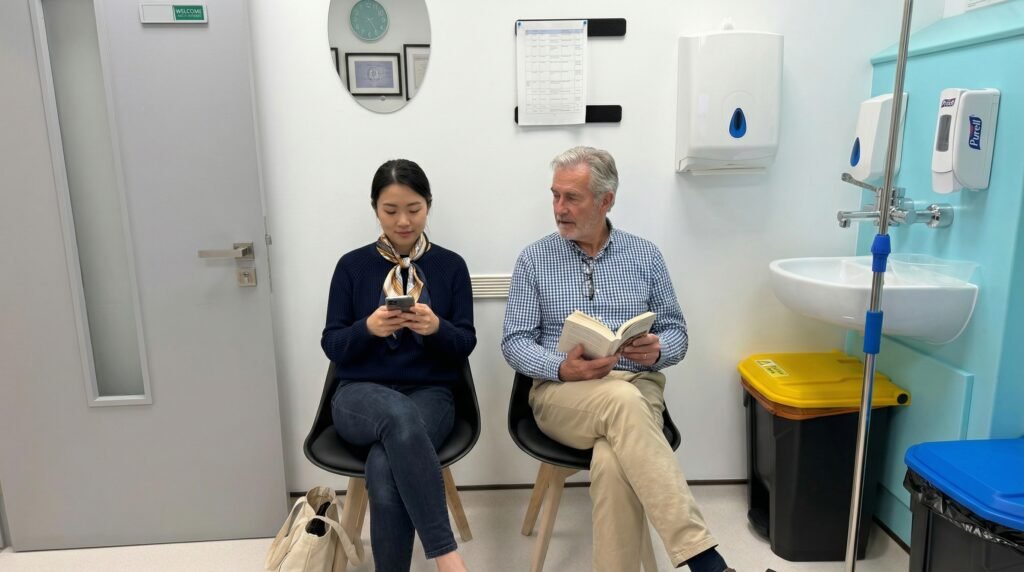
If you are considering a private GP second opinion in London, you are not alone. Every week, patients attend my clinic at Clinique Alpa in Palmers Green because they feel uncertain about a diagnosis, unconvinced by a treatment plan, or simply want reassurance from an independent doctor. Seeking a second opinion is not a sign of distrust towards your current doctor. It is a sensible, proactive step that can confirm your diagnosis, identify alternative treatments, or provide the clarity you need to move forward with confidence. In this post, I explain how the process works, what it costs, and when a second opinion matters most.
Why Patients Seek a Private GP Second Opinion in London
Unwell now? See a private GP online from £65 today.
Unhurried video or telephone appointment with a GMC registered doctor, often the same day.
Book Nowor message us on WhatsAppThere are many reasons why a patient might want a second opinion. In my experience, the most common include:
- A diagnosis that does not seem to explain the symptoms fully
- A treatment plan that is not working or producing unwanted side effects
- Feeling rushed during NHS appointments without time to ask questions
- A serious diagnosis where confirmation from another clinician provides peace of mind
- Wanting to explore treatment options that have not been discussed
- Difficulty getting a referral to a specialist through the usual NHS pathway
The GMC’s guidance on Good Medical Practice explicitly supports patients’ right to seek a second opinion. Paragraph 16(c) states that doctors should respect patients’ right to seek a second opinion. This is not a confrontational act. It is a normal part of medical care, and any good doctor will support a patient who wants one.
In the NHS, where GP appointments are often limited to 10 minutes and waiting lists for specialist referrals can stretch to months, a private GP second opinion in London provides a faster, more thorough alternative. At Clinique Alpa, I offer 30 minute consultations specifically for second opinion cases, giving enough time to review your history, examine you, discuss your concerns, and outline the next steps.
When a Second Opinion Can Make a Real Difference
A second opinion is not always necessary for straightforward conditions. A common cold, a simple ear infection, or a mild skin rash rarely requires another doctor’s input. But for complex, chronic, or serious conditions, a fresh pair of eyes can be invaluable.
Research published in the BMJ suggests that diagnostic error affects approximately 10% to 15% of clinical encounters. A study in the Journal of General Internal Medicine found that second opinions led to a changed diagnosis in 21% of cases and a modified treatment plan in 37% of cases. These are not trivial numbers.
Conditions where I most frequently provide second opinions include:
- Persistent or recurring symptoms without a clear diagnosis
- Cardiac symptoms such as palpitations, chest pain, or breathlessness
- Chronic pain that is not responding to treatment
- Thyroid disorders where medication dosing seems inadequate
- Dermatological conditions that have been managed without improvement
- Mental health conditions where the treatment plan does not feel right
- Musculoskeletal problems that are limiting daily activities
- Gastrointestinal symptoms that have been attributed to irritable bowel syndrome without thorough investigation
From Our Practice: When a Second Opinion Provided Clarity
A patient recently attended my clinic with her daughter. The younger woman had experienced recurrent episodes of palpitations, shortness of breath, and chest discomfort for several years. She had recently been admitted to hospital with a heart rate exceeding 200 beats per minute, and on 2 separate occasions she had been diagnosed with supraventricular tachycardia (SVT).
Despite being on medication to control her heart rate and blood pressure, she felt she had not received a clear explanation of her condition or a plan for definitive treatment. She had questions that had gone unanswered: Why did these episodes keep happening? Was there a permanent solution? Was she at risk of a more serious cardiac event?
During our consultation, I measured her blood pressure at 128/82, heart rate 80 and regular, and oxygen saturation at 98%. These findings were reassuring but did not address the underlying issue. I discussed the option of catheter ablation, a procedure where a cardiologist can identify and destroy the abnormal electrical pathway causing the SVT. This procedure has a success rate of approximately 95% and could potentially cure her condition entirely.
I arranged an echocardiogram to assess her heart structure and also helped her register with a GP practice that could facilitate a cardiology referral through the NHS pathway. Her father had undergone open heart surgery for a similar condition, which understandably added to her anxiety. Being able to discuss the family history, explain the differences between her condition and her father’s, and outline a clear plan forward visibly reduced her distress.
This is a case where a second opinion provided clarity and a path forward that the patient had been missing. She had been living with uncertainty and fear, and a single thorough consultation changed that. If you find yourself in a similar situation, where you have questions that are not being answered or feel that your care has stalled, a second opinion may be exactly what you need.
How the Private GP Second Opinion Process Works
The process at Clinique Alpa is designed to be straightforward and supportive.
Step 1: Booking. You can book a second opinion consultation online or by calling 020 8882 8088. When booking, let us know that you are seeking a second opinion so I can allocate appropriate time and prepare for the appointment.
Step 2: Preparing for your appointment. Bring any relevant medical records, test results, discharge summaries, letters from specialists, and a list of your current medications. If you have had imaging (X rays, MRI scans, CT scans), bring copies or let us know where they were performed so I can request them. The more information I have, the more thorough my assessment will be.
Step 3: The consultation. I will take a detailed history, review your existing records, and carry out a clinical examination. I will explain my findings in plain language and discuss whether I agree with the existing diagnosis, whether additional tests are needed, and what treatment options are available. I will answer all your questions without rushing.
Step 4: Next steps. Depending on my findings, the next steps might include arranging blood tests or imaging through our GP services, referring you to a specialist, adjusting your treatment plan, or confirming that your current management is appropriate. I provide a written summary of the consultation for your records.
Step 5: Communication with your existing doctor. With your consent, I can write to your NHS GP or specialist to share my findings and recommendations. This ensures continuity of care and avoids duplication of investigations.
How Much Does a Private GP Second Opinion Cost in London?
Cost is often the first question patients ask, and rightly so. At Clinique Alpa, transparency about fees is important to me. You can find full details of consultation fees on our appointments and fees page.
A standard second opinion consultation lasts 30 minutes. If additional time is needed for complex cases, extended appointments of 45 or 60 minutes can be arranged. Any additional costs for blood tests, imaging, or specialist referrals are discussed and agreed with you before they are arranged.
When considering the cost of a private GP second opinion in London, it is worth weighing the fee against the potential benefits: a correct diagnosis, an appropriate treatment plan, peace of mind, or the identification of a condition that was being missed. For many patients, the consultation pays for itself by preventing unnecessary treatments, identifying a more effective medication, or facilitating a faster referral.
Some private medical insurance policies cover second opinion consultations. I recommend checking with your insurer before booking. If your policy covers the consultation, I can provide the necessary documentation and codes for your claim.
What Makes a Good Second Opinion
Not all second opinions are equal. A good second opinion requires several things: adequate time, access to relevant medical records, clinical expertise, and a willingness to provide an honest assessment even when it differs from the original opinion.
I approach every second opinion consultation with fresh eyes. I do not assume the original diagnosis is correct, but I also do not dismiss it without good reason. My aim is to provide an independent, evidence based assessment that either confirms the existing plan or identifies areas where it could be improved.
NICE guidelines inform my clinical decisions, and I reference peer reviewed evidence when discussing diagnosis and treatment options with patients. If your case falls outside my expertise as a GP, I will tell you honestly and refer you to the appropriate specialist. A good second opinion should never involve a doctor making pronouncements on conditions outside their competence.
Common Misconceptions About Second Opinions
Will My NHS GP Be Offended?
Most NHS GPs understand and support patients seeking second opinions. The GMC expects doctors to facilitate this. If your doctor reacts negatively, that in itself may be a sign that a second opinion is worthwhile. In practice, most GPs welcome the additional clinical input, especially in complex cases.
Does Seeking a Second Opinion Mean My First Doctor Was Wrong?
Not necessarily. A second opinion might confirm the original diagnosis entirely, and that confirmation can be just as valuable as a changed diagnosis. Medicine involves probability and clinical judgement, and 2 competent doctors can sometimes reach different conclusions based on the same information. A second opinion adds another perspective to the picture.
Is It Worth the Cost if the NHS Provides Free Care?
The NHS provides excellent care, but it operates under significant resource constraints. Waiting lists, limited appointment times, and stretched services mean that some patients do not receive the depth of assessment they need. A private second opinion bridges that gap. For a condition that is affecting your quality of life, your ability to work, or your peace of mind, the cost of a 30 minute private consultation is often a worthwhile investment.
Traffic Light Guide: When to Consider a Second Opinion
GREEN: Likely Not Needed
Your symptoms have been explained clearly, you understand the diagnosis, treatment is working, and you feel heard by your doctor. In this situation, a second opinion is unlikely to add value.
AMBER: Worth Considering
Your symptoms are persistent and unexplained, treatment has not improved your condition after a reasonable trial period, you have unanswered questions, or you have been told your symptoms are “just stress” or “nothing to worry about” but they are affecting your daily life. A second opinion can provide reassurance or identify missed diagnoses.
RED: Strongly Recommended
You have been given a serious diagnosis (such as cancer or a cardiac condition) and want independent confirmation. Your symptoms are worsening despite treatment. You have been refused a referral to a specialist. You feel your concerns have been dismissed repeatedly. In these situations, seeking a second opinion promptly could make a significant difference to your outcome.
How to Prepare for Your Second Opinion Appointment
To get the most from your consultation, I recommend preparing the following:
- A written summary of your symptoms, including when they started, what makes them better or worse, and how they affect your daily life
- Copies of test results, blood work, imaging reports, and specialist letters
- A complete list of current medications, including doses
- A list of treatments you have tried and their effects
- Your questions written down so that nothing is forgotten during the appointment
If you are attending on behalf of a family member (such as a parent or child), bring any relevant documentation and, where possible, ensure the patient attends in person so I can carry out an examination.
What Happens After the Second Opinion
After the consultation, you will receive a written summary of my findings and recommendations. This document can be shared with your NHS GP, specialist, or insurer as needed.
If I identify a need for further investigation, I can arrange blood tests, imaging, or specialist referrals directly. Many patients choose to have their follow up care at Clinique Alpa, while others take my recommendations back to their NHS team. Both approaches are absolutely fine, and I support whichever path you prefer.
If you would like to discuss whether a second opinion is right for your situation, you are welcome to call 020 8882 8088 for an initial conversation. There is no obligation to book, and I am happy to advise whether a formal consultation would be beneficial.
Frequently Asked Questions
Can I Get a Second Opinion on the NHS?
Yes. Under NHS guidelines, you have the right to request a second opinion, although your GP is not obligated to arrange one. In practice, NHS second opinions can take weeks or months due to waiting lists. A private GP second opinion in London provides a faster alternative, often within days of booking.
What If the Second Opinion Differs From the First?
If my assessment leads to a different conclusion, I will explain my reasoning clearly. I can write to your existing doctor with my findings so that both opinions are on record. In some cases, a third opinion from a specialist may be appropriate, and I can facilitate that referral.
Do I Need a Referral to Get a Private Second Opinion?
No. You can book a second opinion consultation at Clinique Alpa without a referral. Simply call 020 8882 8088 or book a second opinion consultation online. Bringing your medical records will help me provide the most thorough assessment possible.
Will My Insurance Cover a Second Opinion?
Many private medical insurance policies do cover second opinions, particularly for serious or complex conditions. Check your policy documents or call your insurer before booking. I can provide the necessary paperwork for your claim.
How Long Will the Consultation Take?
A standard second opinion consultation at Clinique Alpa lasts 30 minutes. For complex cases involving multiple conditions, extensive medical records, or detailed examination, I offer extended appointments of 45 or 60 minutes. I will never rush a second opinion consultation; you will have all the time you need to discuss your concerns.
Unwell now? See a private GP online from £65 today.
Unhurried video or telephone appointment with a GMC registered doctor, often the same day.
Book Nowor message us on WhatsApp