
Flying Anxiety: More Common Than You Think
Fear of flying affects a significant proportion of the population. For some people it is a mild discomfort that they push through; for others it is a genuine phobia that prevents them from travelling altogether. As a private GP, this is one of the most frequent situational anxiety consultations I see, and the good news is that it is highly treatable.
What Medication Helps With Fear of Flying?
The most commonly prescribed medication for flying anxiety is a short acting benzodiazepine, typically diazepam at a low dose of 2mg. This works by calming the central nervous system, reducing the physical symptoms of anxiety such as racing heart, sweating, and muscle tension.
The key points to understand about diazepam for flying are straightforward. You should take one tablet approximately 30 minutes before boarding. It is a short course prescription for situational use only, not a daily medication. It causes drowsiness, so you should not drive or operate machinery afterwards. It can be taken alongside antihistamines such as chlorphenamine (Piriton) for additional sedation, but be aware this combination will cause significant drowsiness lasting two to four hours.
Your doctor will also counsel you on the potential for dependence. Even with irregular use, benzodiazepines carry a small risk of psychological dependence, meaning you may feel unable to fly without them. This is worth being aware of, though for most patients who use them only a few times per year, the risk is very low.
Are There Alternatives to Medication?
Yes. Medication is one tool among several, and many patients find a combined approach most effective:
Cognitive behavioural therapy (CBT): This is the gold standard psychological treatment for specific phobias including flying. Even a few sessions can make a substantial difference by addressing the thought patterns that drive the anxiety.
Breathing techniques: Controlled breathing exercises, such as box breathing (inhale for four counts, hold for four, exhale for four, hold for four), can reduce acute anxiety symptoms in real time during a flight.
Desensitisation courses: Several airlines offer fear of flying courses that include education about how aircraft work, simulator sessions, and a short supervised flight. These have excellent success rates.
Beta blockers: Propranolol is sometimes prescribed for the physical symptoms of anxiety (palpitations, tremor, sweating) without causing drowsiness. It does not address the psychological component but can be useful for patients who want to stay alert during their flight.
How a Private GP Consultation Works
At Clinique Alpa, a flying anxiety consultation typically takes 15 to 20 minutes. We review your medical history, discuss your specific concerns, assess whether medication is appropriate and safe for you, and issue a private prescription on the same day. If you have a history of respiratory problems, substance use, or are taking other sedating medications, we will discuss alternative options.
We do not prescribe benzodiazepines without a face to face or video consultation. This is a safety measure and a regulatory requirement, not a formality.
Frequently Asked Questions
Can I get diazepam for flying from my NHS GP?
Some NHS GPs will prescribe diazepam for flying anxiety, but many will not, as it is considered a lifestyle prescription. A private GP can assess and prescribe the same day without a waiting list.
How many tablets will I be given?
Typically enough for your trip, usually two to four tablets depending on the number of flights. For longer prescriptions covering multiple trips, a consultation is required each time.
Can I drink alcohol with diazepam?
No. Combining diazepam with alcohol significantly increases sedation and can be dangerous. You should avoid alcohol completely on the day of your flight if you are taking diazepam.
Will it knock me out completely?
At 2mg, diazepam causes mild to moderate drowsiness in most people. You will feel calm and relaxed but should still be alert enough to follow safety instructions. Higher doses cause more sedation.
Book a Flying Anxiety Consultation
If you have an upcoming flight and would like to discuss medication or other strategies for managing your anxiety, book a consultation at Clinique Alpa. We offer same day appointments at our clinic in Palmers Green, North London, as well as virtual consultations for patients who cannot attend in person.
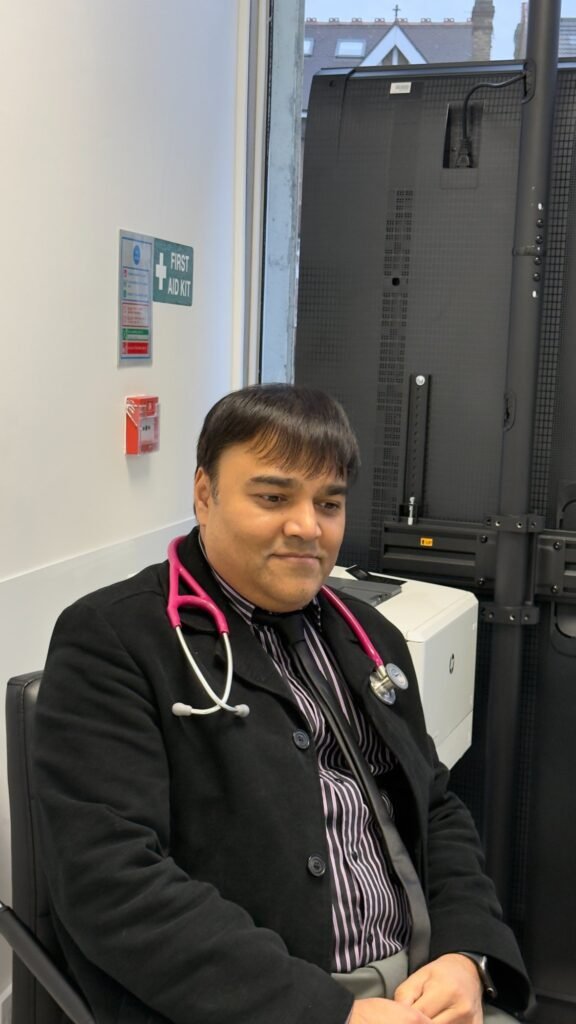
Written by Dr Mitesh Parmar, MBBS MRCGP, Principal GP at Clinique Alpa.