
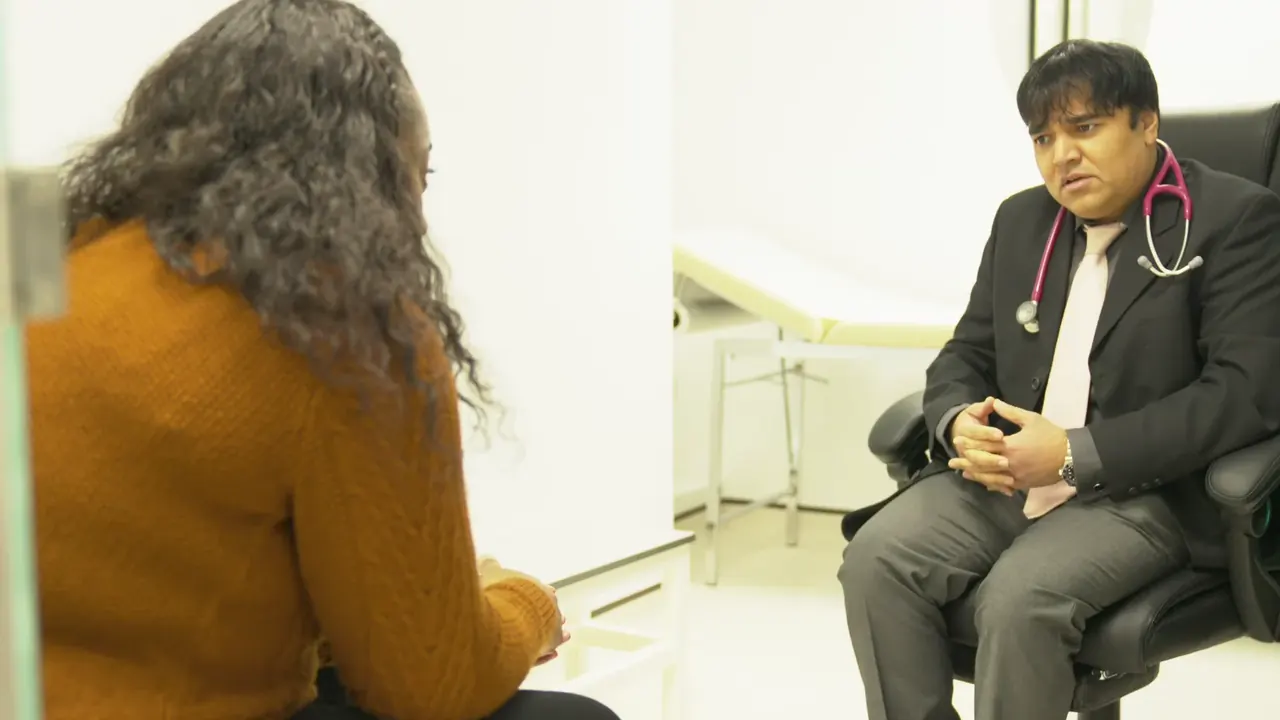
By the time someone sits down with me for an immigration assessment, they have usually told their story several times. To officials, to a solicitor, sometimes to a doctor through an interpreter. What they have rarely been asked is how they sleep, what happens in their body when a door slams, or whether they can still follow a conversation to the end. Those answers are often where the medical evidence really sits.
For the solicitor, the real question is what kind of mental health evidence asylum and human rights claims need, and who should write it. A GP opinion and a consultant psychiatrist report both have a place. They are not interchangeable, and choosing the wrong one costs time the person often does not have.
If you are at immediate risk of harming yourself or someone else, call 999 or go to A&E. For urgent mental health help, call NHS 111 and choose the mental health option, or call Samaritans free on 116 123, any hour.
What mental health evidence asylum claims need, and what a GP can give
I am a GP with a special interest in psychological medicine, and I have worked in medicine for 21 years. When I assess someone's mental health for an immigration report, the appointment is deliberately unhurried, because the important thing is rarely said in the first 10 minutes. I explain at the start what the report is for, who will read it, and that the person can pause whenever they need to.
What I ask about
I start with how things are now: sleep, appetite, concentration, energy, memory and mood across the day, and whether there are intrusive memories, nightmares or a constant sense of being on guard. Then I go back to when each of those began and how they have changed. I ask about thoughts of self harm and suicide directly, because asking does not put the idea there, and not asking can miss what matters most. I also ask what the person can and cannot manage in an ordinary day. Function often tells me more than any label.
What I observe, and what I read
I record what I see in the room as carefully as what I am told: how the person presents, how they speak, whether their attention holds, and how their account sits with their manner. Then I read the GP records, any letters from mental health services and previous reports, and look at how the picture has developed over time. A consistent picture across several years is worth setting out clearly. Gaps and inconsistencies are noted too, without assuming what they mean, because distress, interpreters and memory all leave marks on a record.
The report keeps my observations separate from the person's account and from the records, so a reader can see which is which.
Where a GP opinion fits
A GP report fits well when the diagnosis has already been made by NHS mental health services, and the questions are about the person's current health, their treatment, how they manage day to day, and what the records show over time. It can also address fitness and wellbeing relevant to detention, removal or proceedings, within the limits of a GP's expertise. In those cases, a GP, who reads primary care records as everyday work, is a sensible choice, and the report can sit alongside the treating team's own letters.
When a consultant psychiatrist report is the right instruction
Some questions need specialist psychiatric opinion, and I say so at the scoping stage rather than stretch a GP report to cover them. In my view, a consultant psychiatrist is the right expert when:
- the diagnosis itself is in dispute, including a disputed diagnosis of PTSD
- the history is long and complex, with several diagnoses or periods of specialist care
- the central question is a detailed assessment of suicide risk, for example on removal
- the questions turn on psychiatric prognosis or the likely course with specialist treatment
- the person's fitness to give evidence is in question
At Clinique Alpa, consultant psychiatrists lead psychiatric report work. Those reports are arranged individually, and the fee is confirmed before anything is booked. When the questions point that way, the honest thing is to say so before anyone has paid for the wrong report.
When should someone get help sooner, and what should a solicitor send?
Evidence and care are different things, and care comes first. If you are the person applying and you are having thoughts of ending your life, or feel unable to keep yourself safe, get help now rather than waiting for an assessment. Call 999 or go to A&E in an emergency, call NHS 111 and choose the mental health option for urgent help, or call Samaritans free on 116 123 at any hour. If you are a solicitor and the person you represent describes this, the same routes apply, and their NHS GP should know.
If what someone needs is treatment rather than a report, the post on private anxiety treatment or our psychiatry services may be the better starting point. A report is not a substitute for care.
For the report itself, send:
- the specific questions, numbered
- GP records and any letters from mental health services
- previous medical or psychiatric reports
- the decision being challenged, so I know what is disputed
- the language and dialect the person is most comfortable in
How does Clinique Alpa approach mental health evidence?
Solicitors can instruct directly, and individuals can contact us themselves. We agree scope, a fixed fee and a timescale before the assessment, which is in person at Palmers Green, with a home visit examination available where travelling is not possible. Immigration letters and reports have fixed fees: £550 for a short immigration medical letter, £1,000 for a standard immigration medical report, £1,250 for a comprehensive immigration medico legal report and £1,500 for a complex asylum or immigration expert report. Legal aid work is done at the authorised rate only, with prior authority. Any letter or report is written where clinically appropriate after assessment, and is usually ready 48 to 72 hours after the assessment and after all records and instructions are in.
For how the instruction itself should be framed, see instructing a medical expert for an immigration tribunal.
I do not reach for a diagnosis because a case seems to need one, and I do not leave one out because it is inconvenient.
This is an independent clinical opinion. It cannot be written to a required conclusion and does not guarantee the outcome of any claim, application, exemption or hearing.
All medico-legal assessments and expert reports are independent professional opinions. No particular diagnosis, conclusion, causation opinion, prognosis, consistency assessment, recommendation or outcome can be promised or guaranteed.
Written by Dr Mitesh Parmar, MBBS MRCGP, Principal GP and Clinical Director at Clinique Alpa, 466 Green Lanes, Palmers Green, London N13 5PA. This article is general information, not personal medical advice. In an emergency call 999. For NHS advice call 111 or visit nhs.uk.