

Andropause is real, but it is not always the answer
A man in his early 60s comes in. Healthy. No medication. No regular GP attendance for years. He raises a quieter concern: erections take longer than they used to. There is some fatigue. He gets up three or four times a night to pass urine. He wants to know if his hormones are gone, if he is diabetic, if his prostate is enlarged, if he should be on testosterone. The answer to all of those is the same. Run the full panel before answering any of them.
The differential is wider than the symptom
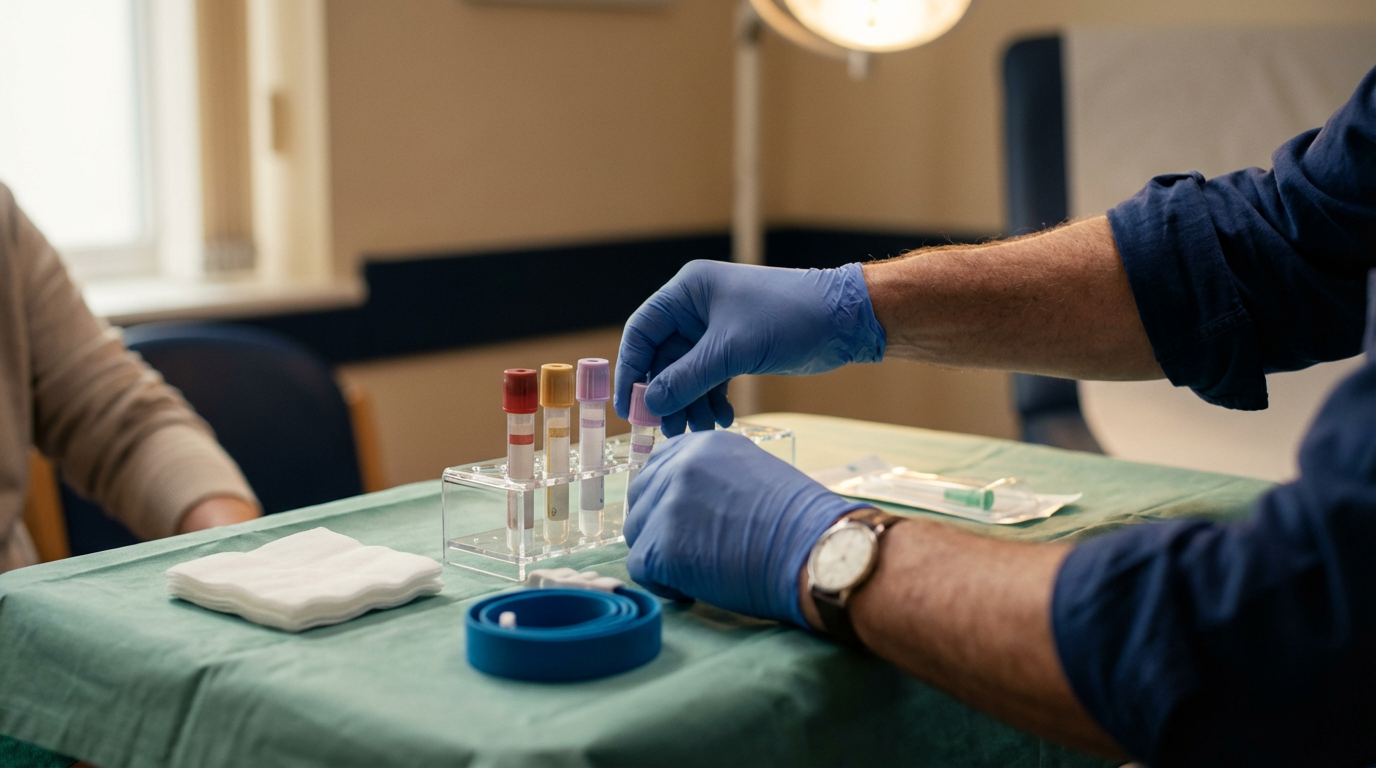
Erectile dysfunction in a man over 60 is not a stand alone problem. The differential reaches into diabetes, thyroid disease, prostatic disease, dyslipidaemia, primary hypogonadism, vasculogenic disease, anxiety, and side effects from over the counter agents and dietary supplements. A useful private GP appointment for this presentation includes a comprehensive panel before any treatment talk: full blood count, kidney and liver function, calcium and bone profile, glucose and HbA1c, lipid panel, iron studies, thyroid function, prostate specific antigen, and the andropause panel itself.
What the andropause panel actually tells us
The andropause profile is a small set of hormones with a precise meaning. Follicle stimulating hormone and luteinising hormone are signals from the pituitary, asking the testes to do their job. Testosterone is the answer the testes give. Sex hormone binding globulin is the carrier protein that decides how much testosterone is biologically active.
When this man’s results came back, FSH was 16.8 and LH was 11.5, both elevated. Testosterone was 15.9, which is squarely within the normal range. SHBG was 45, also normal. PSA was 0.47. Glucose, HbA1c, lipids, iron, and thyroid function were all normal.
That pattern, raised gonadotrophins with preserved testosterone, is the textbook picture of primary testicular ageing, not hypogonadism. Andropause has happened. Testosterone replacement is not indicated. Adding testosterone in this man would not help his symptoms and would expose him to cardiovascular and prostatic risk.
The treatment conversation, framed safely
If the symptoms continue, or if he wants to trial treatment, there are established first line treatment options to discuss once the work up is complete. Suitability depends on cardiovascular health, and the choice between the available options is partly clinical, partly practical.
One absolute contraindication in this area is nitrate use, in any dose, for any reason, including recreational nitrites. The resulting blood pressure drop can be catastrophic. This is the conversation that has to happen before any treatment is considered.
Lifestyle first is a clinical decision
Lifestyle first is not a fob off. It is the highest yield single intervention for vasculogenic erectile dysfunction in a fit midlife male. Walking 1 hour a day. Resistance training, three sessions a week. A Mediterranean style diet, with fish, salad, and lean protein in regular rotation. Body composition matters because adipose tissue actively converts testosterone into oestrogen, and shifting that ratio raises endogenous testosterone naturally. Resistance training compounds the benefit by raising baseline testosterone independently.
For many men this combination, sustained for 8 to 12 weeks, produces a noticeable improvement before any treatment is needed. For others, lifestyle plus medical treatment is the right pairing. The point is that treatment is the second step, not the first.
Nocturia matters too
Three to four episodes of nocturia per night is not normal in a man without prostatic disease. It deserves attention even when the rest of the panel is reassuring. Reasons include high evening fluid intake, alcohol, caffeine, sleep apnoea contributing to nocturnal polyuria, prostatic enlargement at the early end, and undiagnosed glycaemic instability. In this man the bloods rule out the metabolic and prostatic concerns. The next steps are dietary, sleep hygiene, and a frequency volume chart for 3 nights to characterise the pattern. If symptoms persist, urology input is the right pathway.

When to come in sooner
Specific symptoms warrant earlier attention rather than a planned follow up. Chest pain on exertion. Sudden onset headache with vomiting. Painful or swollen testicle. Visible blood in the urine or semen. Painful erection lasting more than 2 hours. New onset urinary retention. Any of these is a same day attendance, not a wait and see.
What Clinique Alpa offers
Same day access for new sexual health and men’s health concerns. Comprehensive private blood panels with results reviewed in clinic, line by line, in plain language. A focused examination, not a glance. Honest conversation about lifestyle, options, and costs. Considered treatment decisions where treatment is the right call, with clear counselling on contraindications and safety. Onward referral letters where specialist input is needed.
We can assess symptoms and arrange appropriate investigation or referral, but we do not offer testosterone replacement therapy. A testosterone blood test is part of that assessment; it is not a route to testosterone treatment at the clinic.
Andropause is real. So is the temptation to skip the work up and reach for a quick fix. The first decision in a useful midlife male health appointment is to do the panel first.
Clinique Alpa. Same day private GP, Palmers Green, North London.